Equity vs Debt: How Much Risk Is Right for You?
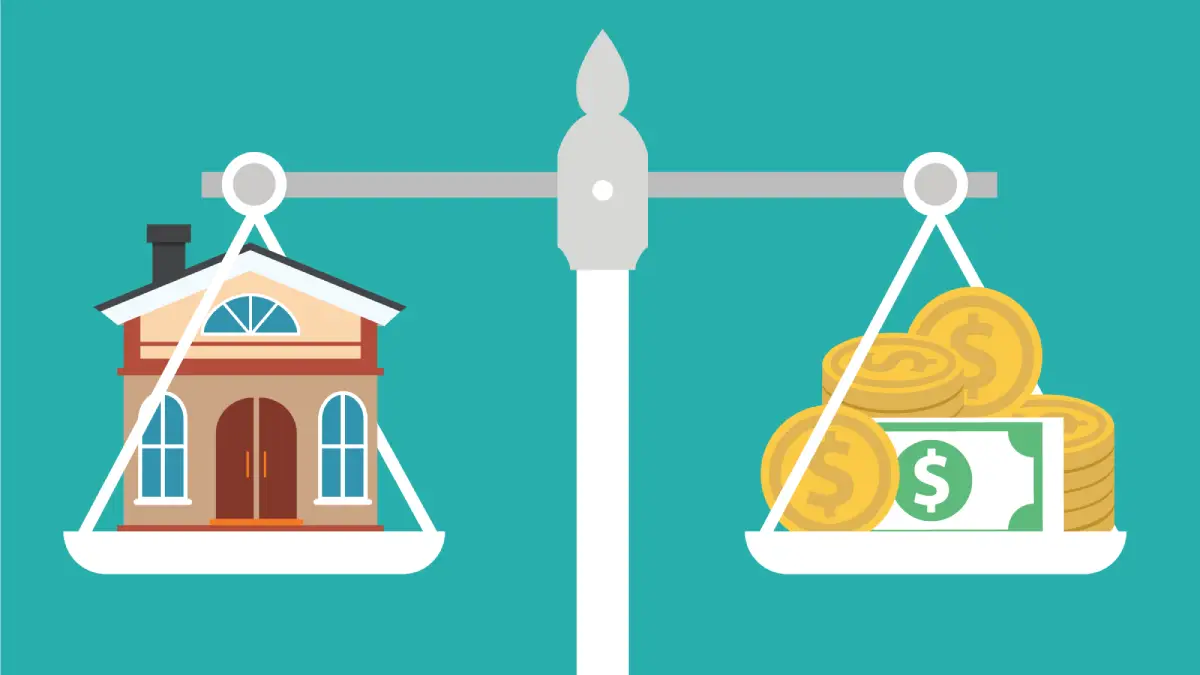
Equity vs Debt: How Much Risk Is Right for You?
One of the biggest financial mistakes people make is asking:
“Which is better—equity or debt?”
The truth?
This question has no meaning without understanding your goal, time horizon, and risk tolerance.
Let’s break it down in simple language.
1. What Exactly Is Equity?
Equity = You invest in companies → companies grow → your wealth grows.
Ideal for:
- Long-term goals
- Wealth creation
- Beating inflation
Risk Level: High in the short term, rewarding long term.
Best For:
- Retirement
- Child’s education
- Long-term wealth goals
2. What Exactly Is Debt?
Debt = You lend money → earn interest → stable returns.
Ideal for:
- Stability
- Short-term goals
- Liquidity
Risk Level: Low volatility, predictable.
Best For:
- Emergency fund
- Short-term purchases
- Capital protection
3. The Real Question: What Balance Is Right For You?
This depends on three factors:
- Time Horizon
Longer the goal → higher the equity allocation
Shorter the goal → higher the debt allocation
- Risk Appetite
Do you panic easily during corrections?
If yes → debt must be higher.
- Goal Importance
Non-negotiable goals = lower equity
Flexible goals = higher equity
4 Simple Allocation
Example 1 — 25-Year-Old: Retirement (30 years away)
- 80% Equity
- 20% Debt
Example 2 — 35-Year-Old: Child’s Education (10 years away
- 60% Equity
- 40% Debt
Example 3 — Emergency Fund
- 0% Equity
- 100% Debt (liquid/overnight/MF)
Example 4 — Buying a Car in 2 Years
- 0% Equity
- 100% Debt
5. Why Mixing Both Is Essential
A balanced portfolio can help you:
- Grow wealth confidently
- Reduce emotional stress during market falls
- Maintain liquidity
- Achieve goals on time
- Stay disciplined
6. Real Story: The Cost of Wrong Allocation
Investor A (100% Equity) — needed money for house downpayment in 2020.
Market crashed → had to cancel the plan.
Investor B (80% Debt, 20% Equity) — funds stayed stable.
Goal achieved without stress.
The right asset mix is more important than choosing “best” funds.
Conclusion
The question isn’t “Equity or Debt?”
It’s “How much of each helps me reach my goals safely?”
This is where a structured goal-based advisor plays a crucial role.